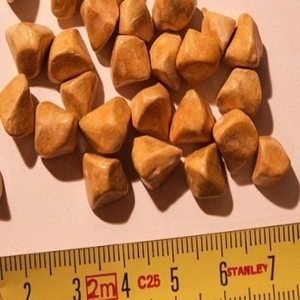
Different Types Of Kidney Stones Treatment You Should KnowKidneys perform the function of detoxifying blood. It removes the waste and excretes it out of the body in the form of urine. When the quantity of fluid is not enough, it creates a condition where the waste particles accumulate in the kidneys. These lumps of waste are called renal calculi or kidney stones. Once formed, these stones don’t permanently reside in one place, but they mobilize to other parts of the urinary tract, i.e., kidneys, urethra, and bladder. If the stones are small in size, they don’t create much nuisance. But the bigger stones can be troublesome. They can get caught up in ureters, narrow tubes, causing spasm and irritation.
Experiencing pain in urination, feeling nausea, spotting blood in urine, or extreme pain in lower abdomen or back indicate the presence of kidney stones in the body. One should seek immediate medical attention to spot any of these signs. Kidney stones treatment depends on the size and location of the stone. The size and location of stone serve great importance in determining the course of treatment. Doctors can obtain this information using blood tests, CT scans, or X-rays.
Drugs
The usage of drug combinations with other treatment measures is quite common. However, if the size of the kidney stone is small, the adoption of soft medications can act as a sole treatment strategy all the way. The doctor may prescribe medicines to reduce the pain, treat infection, as well as dissolve the stone. Along with medications, doctors usually advise the patients to drink lots of fluids to push the stone out of the body via the urinary tract.
Ureteroscopy
Ureteroscopy is the kidney stones treatment method to remove the stone stuck in the bladder. A long tube-like structure with a light and miniature camera attached to it known as a ureteroscope is used. The device is inserted in the bladder to remove the stone. The procedure is performed on the patient kept under the influence of general anaesthesia. It allows the patient to sleep through the operation, and thus, he does not feel any pain.
Lithotripsy
The lithotripsy shock wave is another treatment option available for people with kidney stones. This treatment methodology relies on shock waves to break the stone into portions small enough to filtrate through the bladder, in the urine. The procedure requires general anaesthesia. The procedure might result in minor bruising on the back and abdomen or bleeding in the area surrounding the stone.
Percutaneous nephrolithotomy
Doctors turn to Percutaneous nephrolithotomy, also referred to as tunnel surgery. This procedure is performed when the kidney stone has grown big causing unbearable pain, obstruction, infection, or potential risk of damaging the kidney. The surgery involves the insertion of a tube directly in the kidney through a small incision on a person’s back.
With a lapse in time and an increase in intellect, we have been able to accomplish precision and success in procedures to treat several health ailments. Kidney stones treatments have seen a significant success rate over the years. Nonetheless, precautions are better than going through complicated treatment procedures. Following the advisories to avoid the development of stone in the kidneys can be a smart choice. One can increase their fluid intake, reduce animal proteins, limit the intake of sodium and animal proteins, or consumption of oxalate-rich food in moderation, to prevent the development of kidney stones.
|
Article Directory /
Arts, Business, Computers, Finance, Games, Health, Home, Internet, News, Other, Reference, Shopping, Society, Sports
|